The 5 Airlines With The Best Free Carry-On Policies In 2026

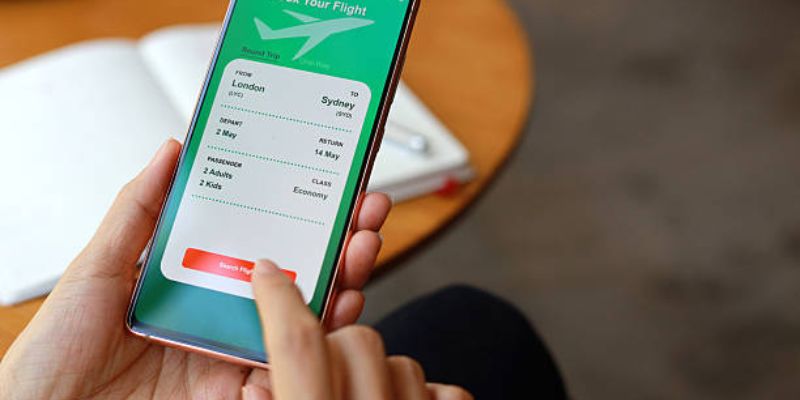
Cheap airfare means a lot less once baggage fees start piling on at checkout. In 2026, the smarter move is not always booking the lowest fare first. It is choosing the airline that lets you bring enough on board without incurring a penalty charge at the gate.
Why Carry-On Rules Matter More Than The Ticket Price
The cheapest flight on the screen is often not the cheapest once baggage is factored in. That is especially true now that more carriers treat bags, seat selection, and even bin space as separate revenue streams.
A domestic round-trip listed at $270 can easily reach $360 or $390 once you add a carry-on, a checked bag, and seat selection. For a family of four, the difference scales fast. Baggage is no longer a small add-on. It can wipe out the deal entirely.
This is why searches for airline baggage fees 2026 have become so common. Travelers are noticing that the gap between a budget carrier and a full-service airline is often smaller than it first appears.
The old days of slightly overstuffing a soft bag and hoping no one noticed are fading. More airports now use automated bag scanners at the gate, and these systems do not care how tired you look. If the bag fails, the fee is charged immediately.
That means avoiding baggage fees starts before you even leave home. Bag shape, not just weight, matters more than ever on domestic US trips.
Southwest Still Gives The Most Room To Work With
Southwest Airlines changed its checked bag policy, upsetting many loyal travelers. Even so, its carry-on allowance remains one of the most generous options in the country, and that matters more than many people realize.
The Bigger Size Limit Is A Real Advantage
Southwest allows a 24 x 16 x 110-inch carry-on, which is larger than any competitor allows. That sounds like a tiny detail, but it is not. Those extra inches can be the difference between fitting five days of clothes comfortably and needing to check a bag.
For travelers who pack in a soft duffel or slightly bulkier roller, Southwest still feels like the least stressful option. It gives you more margin without forcing you to go ultra-minimal every trip.
The Trade-Off Is Stricter Gate Enforcement
That extra generosity does not mean the airline is relaxed about enforcement. Bags are being measured more closely now, and scanner systems have made gate checks harder to avoid. If your bag is over, that problem gets solved with your wallet.
So Southwest remains one of the best airlines for carry-on luggage, but only if your bag truly fits the rules. It is a forgiving policy on paper, not a loose one in practice.
American And Delta Have Quietly Become Strong Value Picks
Neither airline feels flashy in this conversation, but both have become practical choices for travelers who want a free carry-on without playing games at the gate.
American Works Better Than Its Cheapest Fare Suggests
American's Basic Economy used to be far more restrictive, but allowing one free carry-on has made it a much stronger value. That matters most when compared with an airline that still pushes low-fare passengers toward paid bag fees.
Imagine a $300 American ticket versus a $270 fare on an airline that charges for the same carry-on. The lower fare can disappear the moment the bag fee shows up. In that situation, American is simply the better buy.
The weak spot is the boarding order. Basic Economy passengers usually board late, which means overhead bin space can be tight. Paying $15 to $25 for earlier boarding can actually make sense if it keeps your bag with you and saves time after landing.
Delta Wins On Predictability
Delta stays popular with carry-on travelers because the policy is simple and the experience tends to be consistent. One carry-on, one personal item, no domestic basic-fare surprise. That alone makes it easier to compare total costs.
Its newer planes also help. Better bin design reduces the risk of forced gate checks, making Delta feel more stable than airlines where overhead space disappears halfway through boarding. The average fare may not always be the rock-bottom option, but the all-in cost is often easier to live with.
Alaska And JetBlue Are Better Than Many Travelers Expect
These two airlines do not always dominate search results nationwide, but they are among the more useful free-carry-on airlines for people who want less hassle and fewer pricing traps.
Alaska Is Especially Good For Heavier Cabin Bags
Alaska Airlines stands out because it focuses more on dimensions than on strict cabin-bag weight. That is a big advantage for travelers carrying camera gear, laptops, or heavier items that still fit cleanly in a standard bag.
This matters most on West Coast routes and Hawaii trips, where Alaska often competes well on price anyway. If the fare is within $40 or $50 of a stricter rival, Alaska is usually worth choosing just for the easier packing situation.
JetBlue Has Become Much More Reasonable
JetBlue's cheapest fares used to frustrate travelers who thought they were getting one thing, only to find the bag rules were far tighter than expected. That changed, and allowing carry-ons again has made the airline much more usable for budget-conscious flyers.
JetBlue isn't always the lowest fare, but it often feels less punishing once all the details are accounted for. That matters in budget flight hacks 2026 planning, because fewer surprise fees often beat a lower headline number.
The Real Trap Is Still The Ultra-Low-Cost Carrier
This is where many travelers still get fooled. The fare looks almost impossibly low, and that is exactly the point. The airline is betting that bag charges and add-ons will do the real work later.
The Personal Item Gamble Usually Ends Badly
A $49 fare can quickly turn into a $129 or $149 trip once the airline decides your backpack is too large. Add a seat assignment and a standard carry-on, and the math often stops making sense. What looked cheaper than Delta or American may now be more expensive.
These airlines are especially risky for travelers using expandable suitcases or overfilled backpacks. Those bags may seem manageable at home, but they are exactly the kind that fail size checks under pressure.
Hard-Shell Bags Save Money More Than Expandable Ones
A fixed-size hard-shell suitcase is not glamorous advice, but it works. It forces you to pack within the actual limit and reduces the risk of an ugly gate interaction. Wear your bulkiest shoes and jacket on the plane if needed. That small inconvenience is still better than paying $60 to $100 because the bag grew by two inches.
Start by checking the carry-on policy for the exact fare class, not just the airline homepage. Keep your packing list flexible enough to fit a fixed-size cabin bag, and compare the real trip total after baggage costs, not before. Put your money into the trip itself, meals, hotels, and what you actually came to do, instead of handing it over at the gate for a suitcase that could have stayed with you all along.